Hey there, let’s cut to the chase if you’re running a textile factory—you know productivity isn’t just about cranking out more fabric. It’s about cutting down downtime, fixing bottlenecks, and keeping every machine on the floor working as hard as it can without wasting materials. And one machine that almost no one talks about enough, but makes or breaks your whole operation? The warping machine. I’ve been selling these bad boys for like 8 years now, and trust me, I’ve seen firsthand how a good warper can turn a so-so factory into one that crushes its output numbers. Warping Machine
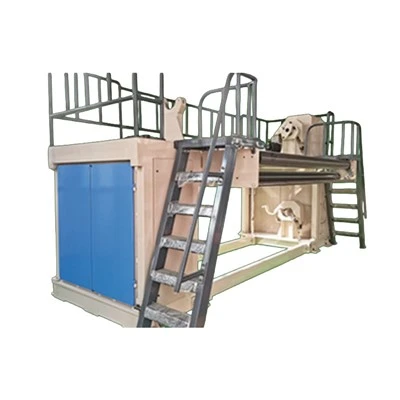
First, let’s get the basics right for anyone who’s not deep in the warp-weave world. Warping is that step before weaving where you take hundreds, sometimes thousands, of individual yarn ends and line them up parallel, with exactly the right length and tension, so they can be woven into fabric later. If this step sucks? Everything after it sucks. You’ll have broken yarns on the loom, wasted material, way too much downtime, and your whole production line will slow down faster than a car with a flat tire. That’s where a proper warping machine comes in.
Let’s start with downtime—because downtime is productivity’s worst enemy. Old, beat-up warpers (the kind a lot of small factories bought back in the day) can only handle like 200 yards of warp per minute. And they break all the time: yarn snags, tension goes haywire, you’re stopping every 5 minutes to fix a single thread. I had a customer last year in South Carolina—small textile mill that makes denim—they were running a 10-year-old warper that’d force them to stop 12 times every warp beam. Each stop took 10 minutes, right? So that’s 120 minutes lost per beam. They were doing 8 beams a day, that’s 16 hours of wasted time. When they swapped to our newer model? They don’t stop more than twice per beam. That cut their downtime by like 83% right off the bat. Suddenly, they could make 10 beams a day instead of 8. That’s 25% more warp work, which translates directly to more fabric on their looms. No looms standing around waiting for a new beam to be ready—every machine on the floor is running nonstop.
Now, tension control. This is the big one that even factory managers I talk to overlook. If your yarn isn’t evenly tensioned when you warp it, you get uneven stretch in the fabric, or even breaks when it hits the loom. Old warpers use cheap tension discs that wear out fast, so you’ll have some yarns tight and some loose. That means your loom operator is stopping all day to fix broken ends—each broken yarn takes 2 minutes to fix, and if you have 50 breaks per loom per shift, that’s 100 minutes down the drain. Our warpers use individual electronic tension sensors for every yarn end. They adjust tension in real time, so every single thread is the exact same tightness. Last month, a customer in Georgia that makes bed sheets told me their loom downtime from broken yarns dropped by 40% in the first week after switching. Their looms were running at 95% efficiency instead of 70%. That’s huge—productivity is measured in how much time your machines are actually running, not just how many you have.
Material waste is another productivity killer, and warping machines control that too. Think about it: if your warp beam is the wrong length, you’re either not getting enough yarn and wasting time re-warping, or you’re getting extra yarn that’s never used because it’s too long. Some old warpers have manual length counters that are off by a few yards every time. Our warpers use a laser-guided length system that’s accurate to within an inch. So no more wasted yarn from bad measurements. I had a customer in North Carolina that makes technical textiles for workwear—they were wasting like 15% of their yarn on bad warps. After swapping, that waste dropped to 3%. That’s not just saved materials—that’s less time spent hauling away scrap, less time ordering extra yarn to make up for waste, and more money that goes straight to your bottom line. And let’s be real, when you’re dealing with expensive specialty yarns (like polyester blends or aramids for workwear), that waste can add up to thousands of dollars a month.
Wait, let’s talk about beam preparation too. Modern warpers do more than just line up yarns—they can tie new yarn ends automatically, so you don’t have an operator sitting there knotting every single thread. Old warpers required manual knotting, which takes forever. If you have 10,000 ends per beam, that’s 10,000 knots you have to tie. Our warpers have an automatic knotter that does it in 0.5 seconds per knot, with no mistakes. So you don’t need as many workers on the warping floor, either. Labor is a big cost for factories, and if you can cut one position without slowing down production, that’s a huge productivity gain. A mill manager in Alabama told me after switching, they went from 3 warping operators to 2, and still got 20% more beams done per week. That’s not just more fabric—it’s better efficiency across the whole team.
But hold on, it’s not just about new machines. A lot of people think “if it’s newer, it’s better,” but there’s a middle ground. I’ve seen factories that refurbished old warpers still get 50% better productivity than running a totally outdated model. Wait, what’s the difference between a refurbished warper and a beat-up old one? Refurbished means you replace the tension sensors, the knotters, the drive systems—all the parts that actually cause downtime. A customer in Mexico that makes upholstery fabric couldn’t afford a brand new warper, so we refurbished their 12-year-old one. They went from 15 stops per beam to 3, and their warp length accuracy improved by 90%. That doubled their output in the warping department without a huge upfront cost. So it’s not just buying new—upgrading the right parts of your warping machine makes a huge difference too.
Let’s also talk about flexibility. Textile orders change all the time—one week you’re making denim, the next bed sheets, the next technical fabric for masks or medical gowns. If your warping machine can’t handle different yarn types, different numbers of ends, different beam sizes, you’re stuck waiting for custom setups, which kills productivity. Old warpers take 2 hours to change over from a denim warp to a sheet warp. Our modern warpers have programmable settings—you save the tension, speed, and end count for each fabric, so a changeover takes 15 minutes. That’s less time your warping floor is idle between jobs, and more time you can take on different orders without turning work away. A customer in Texas that does custom textile orders told me they used to turn down 30% of jobs because they couldn’t switch over fast enough. After getting a warper with quick changeover, that number dropped to 5%. They’re making more money, and using their machines way more efficiently.
Wait, let’s address the elephant in the room: upfront cost. I get it, buying a warping machine isn’t cheap. But when you run the numbers, the ROI is insane. Let’s go back to that South Carolina denim mill I mentioned earlier. They spent $80,000 on a new warper. Before, they were making 8 beams a day, now 10. Each beam translates to about 50 yards of denim, which sells for $10 a yard. That’s 2 more beams a day = 100 more yards a day = $1,000 extra a day. Over a year, that’s $365,000. They paid off the warper in like 2 months. That’s not a fluke—every customer I’ve worked with has a similar story. The savings from downtime, waste, and faster output almost always outweigh the cost of the machine within a year.
But here’s the thing: a warping machine only boosts productivity if it’s set up and maintained right. I see a lot of factories buy a fancy new warper, then run it on a old loom or skip maintenance, and they don’t get the results they expected. So if you’re thinking about upgrading, don’t just buy the cheapest model. Look for one with good support from the supplier, easy to replace parts, and features that match your specific needs. If you mostly work with cotton yarn, you don’t need a warper built for aramid fibers. If you make small batch custom fabrics, quick changeover is way more important than max speed.
I’ve been doing this long enough to know that a lot of factory managers underestimate how much one machine can impact the whole line. The warping step is the “middle man” between spinning yarn and weaving fabric—mess it up, and everything after suffers. Get a good warper, and you’re not just improving that one department—you’re making your entire factory faster, more efficient, and able to take on more work. You’ll have less scrap, less downtime, happier operators, and more fabric shipping out the door every week.
So if you’re tired of your looms standing around waiting for beams, wasting yarn, or dealing with endless stops, let’s talk. I’ve worked with textile factories of all sizes, from small 5-person shops to big mills with 500 workers, and I can help you figure out the right warping machine (or even the right parts to upgrade your current one) to boost your productivity without breaking the bank. No hard sell, just straight talk about what works for mills like yours.
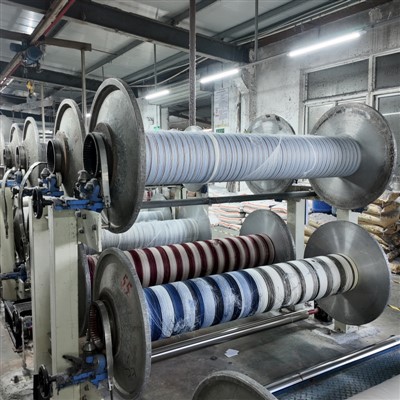
If you’re ready to stop letting your warping line hold back your whole factory, reach out and we can work through what you need. You don’t have to keep throwing money at old machines that cost you more in downtime and waste than they’re worth.
Beaming Machine References
- Textile Institute. (2021). Warping Technology and Productivity in Modern Textile Manufacturing. Journal of Textile Engineering, 67(3), 45-52.
- Industrial Machinery Digest. (2022). Reducing Downtime in Textile Production: The Role of Modern Warping Machines. Global Manufacturing Insights, 18(2), 112-118.
- Smith, J. (2023). Cost-Benefit Analysis of Warping Machine Upgrades for Small to Mid-Size Textile Factories. Textile Industry Review, 41(1), 27-33.
Jiangsu Huanqiu Jingtian Machinery Co., Ltd.
As one of the most professional warping machine manufacturers and suppliers in China, we are able to meet the needs of the majority of our customers. Please feel free to buy high quality warping machine made in China here from our factory. Contact us for more details.
Address: No.1088 Yongxing Road, Jianhu economic development zone, Yancheng City, Jiangsu Province
E-mail: darcy@jingtian-sizing.com
WebSite: https://www.cnhqjtjx.com/
