Winter can be a challenging time for Reverse Osmosis (RO) water systems. As a supplier of Reverse Osmosis (RO) Water Systems, I understand the importance of properly winterizing these systems to ensure their longevity and efficient operation. In this blog post, I’ll share some key steps and tips on how to winterize your RO water system. Reverse Osmosis (RO) Water Systems

Why Winterize Your RO Water System?
The main threat to RO water systems during winter is freezing. When water freezes, it expands. In an RO system, this expansion can cause significant damage to components such as pipes, valves, membranes, and storage tanks. Frozen pipes can burst, leading to water leaks and costly repairs. Damaged membranes may lose their effectiveness in filtering water, reducing the overall quality of the purified water. Additionally, cold temperatures can slow down the chemical reactions and physical processes within the system, affecting its performance.
Step 1: Gather Necessary Tools and Supplies
Before you start the winterization process, it’s essential to have all the required tools and supplies on hand. You’ll need a set of wrenches to disconnect pipes, a container to collect water, food – grade antifreeze (if recommended), and clean rags to wipe up any spills. Make sure the antifreeze you choose is safe for use in water systems and won’t contaminate the water when the system is restarted in the spring.
Step 2: Shut Off the Water Supply
The first practical step in winterizing your RO water system is to turn off the main water supply to the system. Locate the shut – off valve, which is usually near the point where the RO system connects to the household water line. Closing this valve will prevent new water from entering the system, reducing the risk of freezing.
Step 3: Drain the System
After shutting off the water supply, it’s time to drain the water from the RO system. Start by opening the faucets connected to the RO system to release any pressure. Then, disconnect the storage tank from the system. Tilt the tank to drain all the remaining water into a suitable container. Next, open the drain valve on the RO unit itself. Let the water flow out completely. You may need to use a wrench to open the valve if it’s tight.
Some RO systems have a sediment pre – filter and a carbon pre – filter. These filters can hold a significant amount of water. Remove these filters and let the water drain out. You can also gently shake the filters to ensure all the water is removed.
Step 4: Protect the Membrane
The RO membrane is a critical and sensitive component of the system. If the membrane freezes, it can be permanently damaged. To protect the membrane, some manufacturers recommend using a food – grade antifreeze solution. Check your system’s manual to see if this is appropriate for your model.
If you’re using antifreeze, mix the solution according to the manufacturer’s instructions. Slowly introduce the antifreeze solution into the membrane housing using a pump or by gravity feeding. This will help to prevent ice from forming inside the membrane and keep it in good condition during the winter months.
Step 5: Insulate Exposed Pipes
Even after draining the system, some water may remain in the pipes. Insulating exposed pipes can provide an extra layer of protection against freezing temperatures. You can use pipe insulation sleeves, which are readily available at hardware stores. Wrap the insulation around the pipes tightly, starting from the RO unit and extending to the nearby faucets and connections. Pay special attention to pipes that are located in unheated areas, such as basements, garages, or outdoor areas.
Step 6: Store Loose Components Properly
Remove any loose components such as filter cartridges, pressure gauges, and valves. Clean these components thoroughly with clean water and let them dry completely. Store them in a cool, dry place where they won’t be damaged. You can place the filter cartridges in a plastic bag to protect them from dust and debris.
Step 7: Check the System Regularly
During the winter, it’s a good idea to check your RO water system periodically, especially after severe cold snaps. Look for any signs of ice formation, leaks, or damage. If you notice any issues, take immediate action to address them.
Step 8: Restarting the System in Spring
When the winter is over and the temperatures are consistently above freezing, it’s time to restart your RO water system. First, remove any insulation from the pipes. Reconnect the storage tank and all the components that were disconnected during the winterization process.
Next, turn on the main water supply. Let the system fill with water and build up pressure. Flush the system thoroughly to remove any remaining antifreeze (if used) and any sediment that may have accumulated during the winter. Replace the filter cartridges with new ones to ensure optimal water quality.
Additional Tips for Temperature Fluctuations
In regions where temperatures fluctuate around the freezing point, it can be more challenging to protect your RO water system. You can consider using a heater blanket for the storage tank. This can help to maintain a stable temperature inside the tank and prevent freezing.
Also, keep an eye on the weather forecasts. If extreme cold is expected, you may want to take extra precautions, such as draining the system more thoroughly or adding a bit more antifreeze (if allowed by the manufacturer).
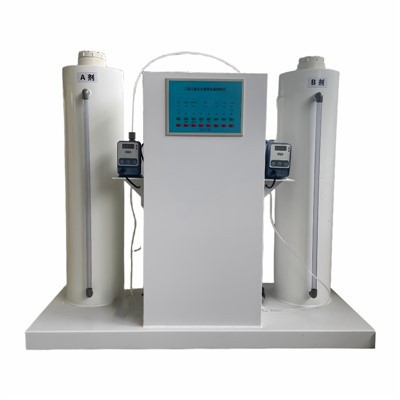
If you’re unsure about the winterization process or if you have any concerns about your RO water system, don’t hesitate to reach out to professionals. As a Reverse Osmosis (RO) Water Systems supplier, we have a team of experts who can provide guidance and assistance. Whether you need advice on winterizing your system, understanding how to use antifreeze safely, or looking to purchase high – quality RO components, we’re here to help.
Sewage Treatment Plant Contact us to discuss your specific needs and explore the best options for your Reverse Osmosis (RO) water system. Our experienced staff can provide customized solutions and ensure that your system operates efficiently year – round.
References
- Common RO System Maintenance Guides from Industry Manufacturers
- Professional Water Treatment Journals
- Water Quality Association Publications
Shandong Lingke Environmental Technology Co., Ltd.
Address: 100 Meters South of the Intersection of County Road 042 and National Highway 309, Changle County, Weifang City, Shandong Province
E-mail: aileenlin@sdlingkegroup.com
WebSite: https://www.lkecotech.com/
