As a supplier of ferrite core inductors, I’ve witnessed firsthand the rapid evolution of automotive electronics. The integration of advanced technologies in modern vehicles has dramatically changed the requirements for electronic components, and ferrite core inductors are no exception. In this blog, I’ll delve into the special requirements for ferrite core inductors in automotive electronics, sharing insights based on my experience in the industry. Ferrite Core Inductor
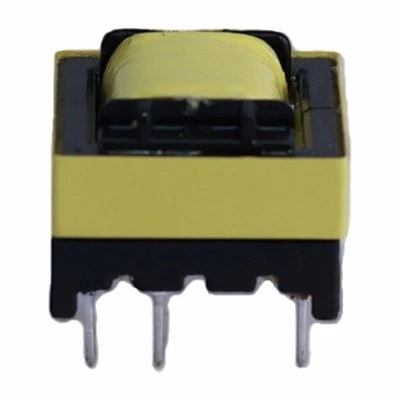
High – Temperature Resistance
Automotive environments can be extremely harsh, with significant temperature variations. Under the hood, for example, temperatures can soar well above 100°C. Ferrite core inductors need to withstand these high – temperature conditions without significant degradation in performance.
High – temperature resistance is crucial because the electrical properties of ferrite materials can change with temperature. For instance, the permeability of the ferrite core may decrease as the temperature rises, which can lead to a reduction in inductance. This change in inductance can affect the overall performance of the electronic circuit in which the inductor is used.
To meet these requirements, we use special ferrite materials with a high Curie temperature. The Curie temperature is the point at which the ferrite material loses its magnetic properties. By selecting materials with a high Curie temperature, we ensure that the inductors can maintain stable performance even at elevated temperatures. Additionally, we optimize the design of the inductor to improve heat dissipation. This may involve using larger surface – area components or improved encapsulation techniques that allow heat to escape more efficiently.
High Reliability and Longevity
Automotive electronics are expected to function reliably over the entire lifespan of the vehicle, which can be up to 15 – 20 years or more. Ferrite core inductors must, therefore, be highly reliable and have a long service life.
Reliability is achieved through strict quality control measures during the manufacturing process. We use high – precision manufacturing equipment to ensure consistent production of inductors. Every inductor undergoes a series of rigorous testing procedures, including electrical performance testing, temperature cycling tests, and vibration tests. These tests simulate the real – world conditions that the inductor will encounter in an automotive environment.
In terms of longevity, the materials used in the inductor play a significant role. We select high – quality ferrite cores and conductive wires that are resistant to corrosion and aging. For example, we use copper wires with a high – purity coating to prevent oxidation, which can degrade the electrical conductivity over time.
EMI Suppression
Electromagnetic interference (EMI) is a major concern in automotive electronics. With the increasing number of electronic systems in vehicles, such as infotainment systems, engine control units, and advanced driver – assistance systems (ADAS), the potential for EMI to disrupt the normal operation of these systems is high.
Ferrite core inductors can act as effective EMI suppressors. The ferrite material has the property of absorbing and dissipating electromagnetic energy, which helps to reduce the EMI generated by the electronic circuits. To enhance the EMI suppression capabilities of our inductors, we develop ferrite materials with specific magnetic properties. These materials are designed to have a high magnetic loss factor at the frequencies where EMI is most likely to occur.
In addition to the material selection, the design of the inductor also affects its EMI suppression performance. We optimize the shape and structure of the inductor to increase the magnetic coupling and improve the absorption of electromagnetic energy. For example, we may use a toroidal core design, which can provide better magnetic shielding and reduce the external magnetic field.
Compact Size and High Power Density
As automakers strive to make vehicles more compact and efficient, there is a growing demand for electronic components that are smaller in size but can still deliver high power. Ferrite core inductors need to meet these requirements of compact size and high power density.
To achieve a compact size, we use advanced manufacturing techniques to miniaturize the inductor without sacrificing its performance. This may involve using thinner ferrite cores and more tightly wound conductive wires. At the same time, we improve the magnetic properties of the ferrite material to increase the inductance per unit volume.
High power density means that the inductor can handle a large amount of power in a small space. We design our inductors to have a low resistance and high saturation current. A low resistance reduces the power loss in the inductor, while a high saturation current allows the inductor to maintain its performance even under high – current conditions.
Compliance with Automotive Standards
Automotive electronics are subject to a variety of strict standards and regulations. Ferrite core inductors must comply with these standards to ensure their safety and compatibility with automotive systems.
Some of the important automotive standards include ISO 16750, which specifies the environmental conditions and test requirements for electrical and electronic equipment in vehicles, and AEC – Q200, which is a stress qualification test for passive electronic components. These standards cover aspects such as temperature, humidity, vibration, and mechanical shock.
Our company is committed to meeting these standards. We have a dedicated quality management team that ensures that all our ferrite core inductors are manufactured and tested in accordance with the latest automotive standards. By compliance with these standards, we provide our customers with the confidence that our products are reliable and can be safely used in automotive applications.
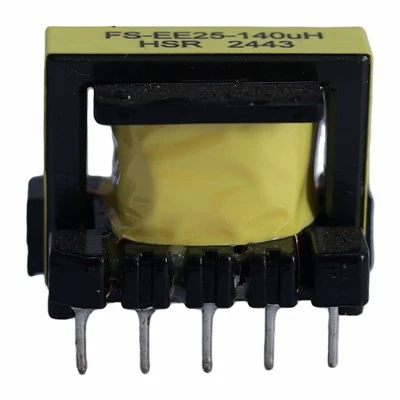
In conclusion, the special requirements for ferrite core inductors in automotive electronics are driven by the demanding nature of the automotive environment and the continuous advancement of automotive technologies. As a supplier, we are constantly working to develop and improve our ferrite core inductors to meet these requirements. We use the latest materials, manufacturing techniques, and testing methods to ensure the high performance, reliability, and compliance of our products.
Power Transformer If you are in the automotive electronics industry and are looking for high – quality ferrite core inductors, we would love to have a conversation with you. Our team of experts can provide you with detailed product information and technical support. Feel free to reach out to us to discuss your specific requirements and explore how our ferrite core inductors can meet your needs. Let’s work together to drive innovation in automotive electronics.
References
- Chen, G., & Smith, R. (2019). Ferrite Materials for High – Temperature Automotive Applications. Journal of Magnetics, 24(2), 112 – 120.
- International Electrotechnical Commission. (2018). IEC 60317 – 1: Specification for Winding Wires – Part 1: General Requirements.
- Association of European Automotive Suppliers. (2020). AEC – Q200: Stress Qualification for Passive Components.
Dongguan Hensiron Electric Co., Ltd.
As one of the most professional ferrite core inductor suppliers in China, we have world-leading production equipment and strong manufacturing capabilities. Please feel free to buy high quality ferrite core inductor made in China here from our factory. Customized orders are welcome.
Address: Building 4, Xinxing Industrial Zone, Wangao Road, Wanjiang Street, Dongguan City, China
E-mail: jessica@dghensiron.com
WebSite: https://www.dghensiron.com/
