Yo! As a supplier of Textile Testing Instruments, I’ve seen firsthand how a fabric drape tester plays a crucial role in the world of fashion design. So, let’s dive right into it and explore what this nifty little device does and why it’s so important. Textile Testing Instruments
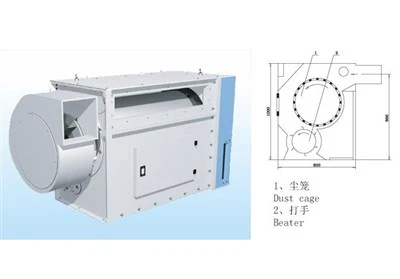
First off, what even is a fabric drape tester? Well, it’s exactly what it sounds like—a tool that measures how a fabric drapes. Draping is all about how a piece of fabric falls and hangs under its own weight. You know when you see a beautiful evening gown flowing gracefully as the model walks down the runway? That’s the result of good draping. And a fabric drape tester helps designers and manufacturers figure out if a fabric has the right drape for their intended use.
In fashion design, the drape of a fabric can make or break a garment. Think about it. If you’re designing a pair of skinny jeans, you want a fabric that’s going to hold its shape and not be too floppy. On the other hand, if you’re creating a flowing summer dress, you need a fabric that will drape nicely and move with the body. A fabric drape tester allows designers to test different fabrics and choose the one that will give their designs the look and feel they’re going for.
One of the key things a fabric drape tester does is measure the drape coefficient. This is a numerical value that represents how well a fabric drapes. A lower drape coefficient means the fabric is more likely to hang in smooth, flowing folds, while a higher coefficient indicates a stiffer, less drapey fabric. By knowing the drape coefficient of a fabric, designers can make more informed decisions about which fabrics to use in their designs.
But it’s not just about aesthetics. The drape of a fabric can also affect its functionality. For example, in sportswear, a fabric with good drape can allow for greater freedom of movement. Athletes need to be able to run, jump, and stretch without their clothes restricting them. A fabric drape tester can help manufacturers select fabrics that will provide the right balance of flexibility and support.
Another important aspect of fashion design is comfort. A fabric that drapes well is often more comfortable to wear. It doesn’t bunch up or pull on the body, which can cause irritation and discomfort. By using a fabric drape tester to choose fabrics with good draping properties, designers can create garments that not only look good but also feel great.
Now, let’s talk about how a fabric drape tester works. There are different types of fabric drape testers, but most of them work by suspending a circular piece of fabric from a central point and then measuring how the fabric falls. The tester will typically use a light source and a camera to capture an image of the draped fabric. The image is then analyzed using software to calculate the drape coefficient.
Some fabric drape testers also allow for additional measurements, such as the drape angle and the number of folds. These measurements can provide more detailed information about the way a fabric drapes and can help designers and manufacturers make even more precise decisions about fabric selection.
As a supplier of Textile Testing Instruments, I’ve had the opportunity to work with a lot of fashion designers and manufacturers. I’ve seen how a fabric drape tester can be a game-changer for them. It allows them to test fabrics quickly and accurately, which saves time and money in the long run. Instead of having to rely on guesswork or trial and error, they can use the data from the fabric drape tester to make informed decisions about their designs.
But it’s not just about the big fashion houses and manufacturers. Even small independent designers can benefit from using a fabric drape tester. If you’re a designer who’s just starting out, you might not have a lot of money to spend on expensive fabrics. A fabric drape tester can help you make the most of your budget by allowing you to choose the right fabrics for your designs without having to waste money on fabrics that don’t work.
In addition to helping with fabric selection, a fabric drape tester can also be used for quality control. Once a fabric has been selected and a garment has been produced, the drape tester can be used to ensure that the final product meets the desired standards. This is especially important for high-end fashion brands that want to maintain a certain level of quality and consistency in their products.
So, if you’re a fashion designer or a textile manufacturer, I highly recommend investing in a fabric drape tester. It’s a valuable tool that can help you take your designs to the next level. And as a supplier of Textile Testing Instruments, I’m here to help you find the right fabric drape tester for your needs. Whether you’re looking for a basic model or a more advanced one with additional features, I can provide you with the information and support you need to make an informed decision.
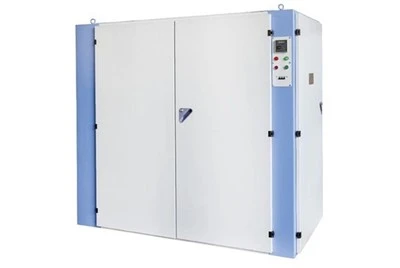
If you’re interested in learning more about fabric drape testers or any of our other Textile Testing Instruments, don’t hesitate to get in touch. We’re always happy to answer your questions and help you find the right solution for your business. Just reach out to us, and we’ll be more than happy to start a conversation about how we can work together to take your fashion designs to new heights.
Textile Loom References:
- Textile Testing Handbook: A Guide to Physical Testing of Textiles
- Fashion Design: A Practical Introduction
Shandong Hongye Machinery Co., Ltd.
Shandong Hongye Machinery Co., Ltd. is one of the most professional textile testing instruments manufacturers and suppliers in China, featured by quality products and low price. Please rest assured to buy advanced textile testing instruments in stock here and get quotation from our factory. Also, 1 year warranty is available.
Address: Room 1104, Building No. 2, Haier Yunjie, No. 99 Chongqing South Road, Qingdao, China
E-mail: sales@seavincn.com
WebSite: https://www.sdhymachinery.com/
