Hey there! I’m a supplier of multi – tasking machines, and I’ve been getting a lot of questions lately about the network connectivity options for these bad boys. So, I thought I’d sit down and share some of my knowledge with you all. Multi-Tasking Machines

First off, let’s talk about why network connectivity is so important for multi – tasking machines. These machines are designed to handle multiple tasks simultaneously, and being connected to a network can supercharge their capabilities. It allows them to access data from other devices, share resources, and even be controlled remotely. This is especially useful in industrial settings, where you might have a whole fleet of machines working together.
Wi – Fi Connectivity
One of the most common network connectivity options for multi – tasking machines is Wi – Fi. It’s convenient, widely available, and relatively easy to set up. With Wi – Fi, your multi – tasking machine can connect to a local network without the need for any cables. This is great for machines that need to be mobile or for setups where running cables is a hassle.
For example, in a warehouse, you might have multi – tasking robots that need to move around freely. Wi – Fi allows them to stay connected to the central system while they’re on the move. They can receive instructions, send back data about the tasks they’ve completed, and even communicate with other robots in real – time.
However, Wi – Fi does have its limitations. The signal strength can be affected by physical obstacles like walls and metal objects. Also, if there are a lot of devices using the same Wi – Fi network, it can lead to slower speeds and connectivity issues. So, if you’re planning to use Wi – Fi for your multi – tasking machines, make sure you have a strong and reliable network setup.
Ethernet
Ethernet is another popular option for network connectivity. It offers a more stable and faster connection compared to Wi – Fi. When you connect your multi – tasking machine to an Ethernet network, you’re essentially plugging it into a wired connection. This means there’s less interference, and you can expect consistent performance.
In a manufacturing plant, Ethernet is often the go – to choice for connecting multi – tasking machines. These machines need to transfer large amounts of data quickly, and Ethernet can handle that load without a problem. For instance, a machine that’s performing complex machining operations might need to receive high – resolution CAD files in real – time. Ethernet can ensure that those files are transferred without any delays.
The downside of Ethernet is that it’s not as flexible as Wi – Fi. You need to run cables from the machine to the network switch, which can be a challenge in some setups. Also, if a cable gets damaged, it can disrupt the connectivity of the machine.
Cellular Connectivity
Cellular connectivity is becoming increasingly popular for multi – tasking machines, especially those that are used in remote locations. With cellular networks, your machine can connect to the internet from almost anywhere, as long as there’s a cellular signal.
Let’s say you have a multi – tasking machine that’s being used in a construction site in the middle of nowhere. There might not be a Wi – Fi network or an Ethernet connection available. In this case, cellular connectivity can come to the rescue. The machine can use a cellular modem to connect to the network and send data back to the main office.
However, cellular connectivity can be more expensive than Wi – Fi or Ethernet. You need to pay for a data plan, and the cost can add up, especially if your machine is transferring a large amount of data. Also, the signal strength can vary depending on your location, which can affect the performance of the machine.
Bluetooth
Bluetooth is a short – range wireless connectivity option that can also be useful for multi – tasking machines. It’s mainly used for connecting the machine to other nearby devices, such as sensors or controllers.
For example, you might have a multi – tasking machine that needs to receive data from a temperature sensor. You can use Bluetooth to connect the sensor to the machine. This allows the machine to monitor the temperature in real – time and make adjustments as needed.
The advantage of Bluetooth is that it’s easy to set up and doesn’t require a lot of power. However, its range is limited, usually up to a few meters. So, it’s not suitable for long – distance communication or for connecting to a large – scale network.
ZigBee
ZigBee is a low – power, wireless communication protocol that’s designed for use in sensor networks. It can be a great option for multi – tasking machines that need to communicate with a large number of sensors.
In an agricultural setting, you might have a multi – tasking machine that’s used for monitoring soil conditions. The machine can be connected to a network of soil moisture sensors using ZigBee. This allows the machine to collect data from multiple sensors and make decisions based on that information.
ZigBee has a relatively low data transfer rate compared to some of the other options, but it’s very energy – efficient. This makes it ideal for applications where the sensors need to operate for long periods of time on battery power.
Choosing the Right Connectivity Option
So, how do you choose the right network connectivity option for your multi – tasking machines? Well, it depends on a few factors.
First, consider the location of the machine. If it’s in a fixed location with easy access to a wired network, Ethernet might be the best choice. If it needs to be mobile or is in a location where running cables is difficult, Wi – Fi or cellular connectivity could be more suitable.
Second, think about the amount of data that the machine needs to transfer. If it’s a small amount of data, Bluetooth or ZigBee might be enough. But if the machine needs to transfer large files or stream high – resolution data, Ethernet or a fast Wi – Fi network would be better.
Finally, consider the cost. Some connectivity options, like cellular, can be more expensive than others. Make sure you factor in the cost of data plans, equipment, and maintenance when making your decision.
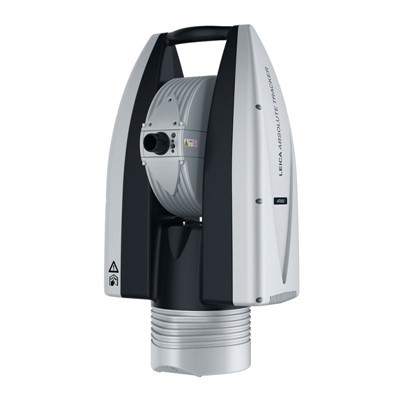
As a supplier of multi – tasking machines, I’ve seen firsthand how the right network connectivity can make a huge difference in the performance and efficiency of these machines. If you’re in the market for multi – tasking machines and need help choosing the right connectivity option, I’d be more than happy to assist you. Just reach out to me, and we can have a chat about your specific needs. Whether you’re in manufacturing, logistics, or any other industry, I’m confident that we can find the perfect solution for you. Let’s work together to take your operations to the next level!
Measuring Machine References
- Networking Basics: A guide to understanding different network connectivity options
- Industrial Automation Handbook: Information on using network connectivity in industrial multi – tasking machines
- Wireless Communication Technologies: Literature on Wi – Fi, Bluetooth, ZigBee, and cellular connectivity
Hermens Industrial Co., Ltd.
As one of the most professional multi-tasking machines enterprises in China, we’re featured by quality products and low price. Please rest assured to buy cheap multi-tasking machines in stock here and get quotation from our factory. We also accept customized orders.
Address: 9/59 Moo 14, Rachathewa , Bang Phli , Samut Prakan Province 10540
E-mail: liu_jincheng@hzhemen.com
WebSite: https://www.hermensindustrial.com/
