Hey there! I’m a supplier of Foil Vapour Barriers, and I’ve been getting a lot of questions lately about how these barriers perform in cold climates. So, I thought I’d share some insights based on my experience in the industry. Foil Vapour Barrier

First off, let’s talk about what a Foil Vapour Barrier is. It’s basically a thin layer of foil that’s designed to stop water vapor from passing through. In a building, this is super important because water vapor can cause all sorts of problems, like mold growth, rot, and insulation degradation. When it comes to cold climates, the challenges are a bit different compared to warmer areas.
In cold weather, the temperature difference between the inside and outside of a building is much greater. This creates a situation where warm, moist air from inside the building wants to move towards the colder outside. If there’s no proper vapor barrier, this moisture can condense on cold surfaces like walls and roofs. And that’s when the trouble starts.
One of the key benefits of a Foil Vapour Barrier in cold climates is its ability to prevent this condensation. The foil acts as a shield, keeping the water vapor from reaching the cold surfaces. This helps to maintain the integrity of the building’s structure and insulation. For example, if you have insulation in your walls and moisture gets in, it can reduce the insulation’s effectiveness. But with a good vapor barrier, you can keep that insulation dry and working as it should.
Another advantage is that it can help with energy efficiency. When moisture is prevented from getting into the walls and roof, the building can better retain heat. This means your heating system doesn’t have to work as hard, which can save you money on energy bills. In cold climates, where heating costs can be a major expense, this is a big deal.
Now, let’s look at how a Foil Vapour Barrier actually performs in real – world cold – climate scenarios. I’ve had customers in places like Alaska and northern Canada, where the winters are extremely cold. They’ve reported that the barriers have done a great job of keeping their buildings dry and warm.
One customer in Alaska had an old cabin that was constantly having issues with mold and dampness. After installing our Foil Vapour Barrier, they noticed a significant improvement. The mold stopped growing, and the cabin felt much warmer. They were really happy with the results.
But it’s not just about the performance; it’s also about the installation. In cold climates, the installation process needs to be done right. The barrier should be installed tightly, with no gaps or tears. Any small opening can allow moisture to seep through. And it’s important to make sure it’s installed on the warm side of the insulation. This is because the goal is to stop the warm, moist air from reaching the cold surfaces.
I’ve also noticed that some people are worried about the durability of Foil Vapour Barriers in cold climates. Well, our barriers are made from high – quality materials that are designed to withstand low temperatures. They don’t become brittle or crack easily, even in extremely cold conditions.
However, it’s still a good idea to do regular inspections. Over time, things can happen, like the barrier getting damaged by rodents or other pests. By checking it regularly, you can catch any issues early and fix them before they become a big problem.
When it comes to choosing the right Foil Vapour Barrier for a cold climate, there are a few things to consider. You want a barrier that has a high vapor resistance rating. This tells you how well it can stop water vapor from passing through. Also, look for a barrier that’s easy to install. In cold weather, you don’t want to be spending hours struggling with a difficult installation.
I’ve seen some cases where people have tried to cut corners and use a cheaper, lower – quality vapor barrier. This usually doesn’t end well. The lower – quality barriers may not perform as well in cold climates, and you could end up with the same problems you were trying to avoid in the first place.
So, if you’re in a cold climate and you’re thinking about installing a Foil Vapour Barrier, I’d highly recommend it. It’s a great investment that can save you a lot of headaches and money in the long run.
If you’re interested in learning more about our Foil Vapour Barriers or have any questions, feel free to reach out. We’re here to help you find the right solution for your building. Whether you’re building a new home, renovating an old one, or just looking to improve the energy efficiency of your property, we’ve got you covered.
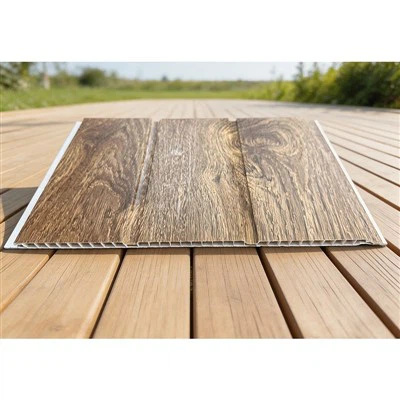
Let’s work together to make your building more comfortable, dry, and energy – efficient in those cold winter months. Contact us today to start the conversation about your Foil Vapour Barrier needs.
PVC Ceiling Panel References:
- Building Science Journal: Articles on moisture control in cold climates
- Construction Industry Reports: Data on the performance of vapor barriers in different climates
- Customer Testimonials: Real – world experiences from customers in cold – climate regions
Hangzhou Eastopo New Marterial Technology Co., Ltd.
As one of the most professional foil vapour barrier manufacturers and suppliers in China, we offer a wide range of products with superior quality. Please rest assured to wholesale custom made foil vapour barrier from our factory. Good service and reasonable price are available.
Address: Room 304-20, Block B, Building 1,2,3&4, Kaixuan Jinniu Fang, Shangcheng District, Hangzhou, Zhejiang, China.
E-mail: mj@eastopo.com
WebSite: https://www.eastopo.com/
