If you’ve ever wrapped up a job and stuffed a loose installation cable into a bin, only to dig it out a month later and find it kinked, tangled, or even frayed beyond use, you’re not alone. As an installation cable supplier, I’ve seen this mistake cost electricians, contractors, and even homeowners thousands of dollars in unnecessary replacements, delayed projects, and safety risks. Installation cables are built to withstand harsh jobsite conditions, but that durability only lasts if you store them correctly—whether you’re keeping spools on a warehouse shelf, stashing leftover lengths in a service van, or organizing cable at a client’s property between tasks. Over the last 12 years in this business, I’ve worked with hundreds of teams that were losing good cable to poor storage, and I’ve helped them tweak their process to cut waste, save time, and keep jobs running smoothly. This post isn’t just about “neatness”—it’s about protecting a product you invested in, extending its lifespan, and avoiding the costly hassle of fixing a cable that’s been ruined by careless storage. Installation Cable
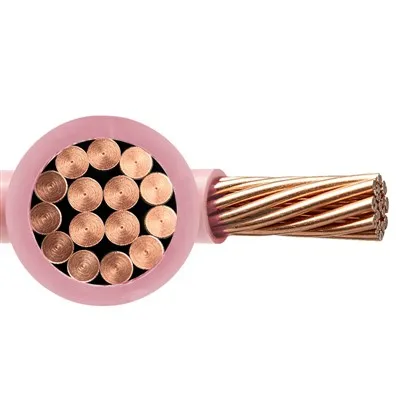
Let’s start with why proper cable storage actually matters, because it’s not just a housekeeping task. When I first got into the cable supply business, a seasoned industrial electrician taught me a lesson I still remember: “A $2 spool of cable ruined by bad storage costs you $100 in labor to replace it.” That stuck with me. Installation cables are made with specific materials—copper conductors, PVC or cross-linked polyethylene (XLPE) insulation, and often an outer jacket of thermoplastic or nylon, depending on their use (like underground direct burial, indoor wall runs, or overhead wiring). Each of these materials degrades when exposed to the wrong conditions, and improper storage is one of the most common culprits.
For example, if you leave a cable spool lying on a concrete floor in a damp warehouse, the outer jacket can absorb moisture over time. That moisture seeps through the insulation and can cause corrosion on the copper conductors inside—something that’s impossible to spot with a quick visual check, but will lead to intermittent connections or total failure once it’s pulled into a wall or buried. Kinks are another big issue: when a cable is wound too tightly or left twisted for months, the insulation can crack at the bend point, creating a gap where dust, water, or even insects can get in. And let’s not forget about UV damage: if you store a length of outdoor-rated cable in direct sunlight in the back of a work van, the UV rays will break down the outer jacket, making it brittle and prone to tearing when you try to pull it through conduit.
I also see teams waste a lot of time untangling cables that were stuffed into boxes or tossed in a tool chest. Last quarter, a general contractor came to our warehouse because he’d shown up to a commercial retrofit job to pull 500 feet of 12-gauge THHN wire, only to find his leftover cable from a previous job was so tangled, he spent two hours untwisting it—time he could’ve been running conduit. That’s the kind of avoidable delay that kills project timelines and eats into profits. Proper storage isn’t just about keeping cables neat; it’s about preserving their functionality, safety, and value.
Now, let’s get into the practical, actionable steps to store installation cables the right way, broken down by where you’re storing them—because a spool in a warehouse needs different care than a length of cable in a service van.
First, let’s talk about whole spools, the most common form our customers buy when they’re taking on new projects. Spools are designed for transport, but leaving them sitting incorrectly on a shelf or floor is a top storage mistake. The number one rule for spool storage is: never lay a spool on its side. Most standard spools are balanced to hold cable when they’re standing upright, with the flange holding the cable at a 90-degree angle to the core. When you lay a spool on its side, the weight of the cable pulls unevenly on the core, causing the layers to shift. Over time, this creates loose loops that can tangle when you go to pull cable off, and even worse, it can put tension on the inner layers of cable, leading to kinks or stretched conductors.
Instead, store spools vertically, standing straight up, on a sturdy shelf or rack. If you don’t have dedicated spool racks, you can build a simple solution using wooden pallets: cut a pallet into sections that are at least 12 inches deep (to match the width of most standard spool flanges) and stack them so each spool sits between two sections, preventing it from rolling. Make sure the spool is fully supported—don’t just balance it on the edge of a shelf. For larger spools, like those used for underground feeder cable, use heavy-duty spool racks that can hold hundreds of pounds without tipping.
Another key point for spool storage: keep them elevated off the ground. Concrete and asphalt hold moisture, and even a small amount of standing water under a spool can lead to the jacket absorbing moisture, as I mentioned earlier. I’ve seen customers skip this step and end up with an entire spool of direct burial cable that’s useless because the inner insulation was damaged by ground moisture. A 4-inch elevation is enough—use pallets, plastic risers, or even wooden blocks to keep spools up off the floor. Also, avoid storing spools in areas that get extreme temperatures: our cables are tested to work in temperatures from -40°F to 194°F, but long-term storage in temperatures above 120°F (like a hot warehouse in a non-climate-controlled building) can soften the PVC jacket, making it prone to tearing, while temperatures below -20°F can make the jacket brittle. If you have limited climate control, prioritize storing spools of indoor PVC cable in the coolest, driest part of the space.
Next, what about leftover lengths of cable—short cuts from a spool that you don’t want to throw away, but aren’t going to use right away? This is where most people go wrong: they stuff the leftover length in a random tool bag or bin, where it gets tangled, crushed, or damaged. The best way to store loose cable is to use a method that keeps it wound tight without creating kinks, and labeled clearly so you don’t have to guess what size or type it is later.
My go-to method for leftover cable is simple: use a cable reel or a cable management bag. A small, handheld cable reel (like the kind used for extension cords, but heavy-duty enough for installation cable) is perfect for lengths up to 100 feet. Simply wind the cable around the reel evenly, not crisscrossed, until it’s tight but not stretched. This keeps the cable neat, prevents tangles, and protects the ends from getting damaged. For longer lengths (up to 500 feet), a larger floor reel works well. If you don’t have reels, you can use heavy-duty canvas or nylon cable bags—look for ones with individual dividers so you can separate different sizes or types of cable. The key here is to avoid over-winding: don’t cram too much cable into a small space, and never twist the cable as you wind it. Twists are a silent killer of cable insulation; over time, they create weak points that will break when you pull the cable through conduit or around corners.
For the ends of leftover cable, always seal them. When you cut a length of cable, the ends are exposed—open conductors, bare insulation. Dirt, dust, and moisture can get into the end, leading to corrosion or damaged conductors later. Use electrical tape to wrap the end tightly, or even a small plastic cap (we carry these in our warehouse for just this purpose, and they’re cheap for our customers to pick up) to cover the conductors. This small step takes 10 seconds, but it can save you from having to strip more cable than you need when you go to use it again.
Now, what about storing cable in a service van or work truck? This is a big one for on-the-go teams who have cable with them at all times, and it’s where I see a lot of damage happen. I’ve had customers bring back cable from their vans that had been run over by a jack, crushed under a toolbox, or left out in the rain, and it’s always preventable. The rule for van storage is: keep cable secured and off the floor, and separate it from heavy tools or equipment.
Most work vans have empty wall space or floor space that’s perfect for installing cable racks. Heavy-duty horizontal racks mounted on the van walls can hold spools or reels upright, so they don’t slide around when you’re driving. For loose leftover lengths, use adjustable bungee cords or tool organizers with loops to keep reels in place, and store leftover cables in a dedicated compartment, not under a pile of drills, wrenches, or empty boxes. I also recommend keeping any outdoor-rated or direct burial cable in a sealed plastic bin in the van, so if it rains, it doesn’t get wet. Last year, a HVAC contractor told me he’d ruined $800 worth of 6-gauge feeder cable when a water bottle leaked in his van and soaked the cable at the bottom of the pile—sealed bins would’ve prevented that.
Another common mistake in vans: leaving cable dangling from the back of the truck. If you’re carrying a long length of cable, don’t just let it hang out the back door as you drive—this can scrape against the asphalt, pick up dirt and debris, and even get caught under the wheels. Either secure it inside the van or use a cable carrier that mounts to the back, so the cable stays elevated and protected.
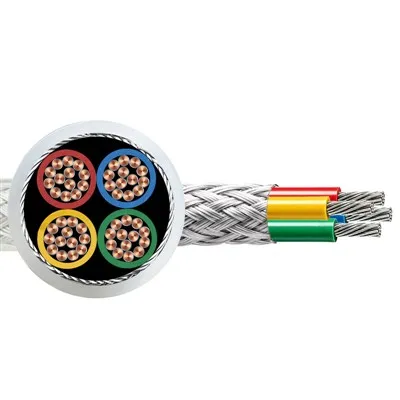
Now, let’s talk about some specific scenarios that come up a lot in our work, to make sure we cover all bases. First: storage for specialized installation cables. We carry a range of cables, from low-voltage control cables to high-voltage power cables, and each has its own storage considerations. High-voltage cables, for example, are often thicker and have heavier outer jackets, so their spools are larger and heavier—so you need to make sure your racks are rated for their weight. Low-voltage cables, like those for security systems or data, are often smaller and more flexible, so they’re more prone to tangling, so reels or small bags are a better choice than loose storage. Direct burial cables, as I mentioned, need to stay dry at all times—never store them in a damp basement or on a concrete floor with no elevation. And outdoor-rated cables, even if they’re not direct burial, should never be stored in direct sunlight for long periods—UV damage can make their jackets brittle, even if they’re rated for outdoor use when installed.
Another scenario: long-term storage. What if you have a spool or length of cable that you’re not going to use for 6 months or more? The same rules apply, but with a few extra steps. Make sure the spool is wrapped in a plastic cover to keep dust and moisture out—we sell heavy-duty plastic spool covers for this exact reason. Label the spool clearly with the cable type, size, and date it was purchased, so you don’t mix it up with new spools later. And if you’re storing it in a warehouse, rotate your stock—use the oldest cable first, to make sure you don’t end up with cable that’s expired. Most installation cables don’t have a strict expiration date, but long-term storage in poor conditions can reduce their lifespan by years, so rotating stock is a good practice.
I also want to share a few quick troubleshooting tips, for when you open a stored cable and notice a problem. If you see kinks, don’t panic—small kinks on a loose length of cable can often be fixed by gently warming the area with a hair dryer (set to low heat, so you don’t damage the insulation) and stretching the cable slightly, being careful not to pull too hard. If you see corrosion on the conductors, you can usually strip the outer insulation and cut off the corroded section, and the remaining cable will be fine. But if the insulation is cracked, or the jacket is brittle and crumbles when you touch it, that cable is probably too damaged to use, and it’s better to replace it than to risk a safety hazard.
Over the years, I’ve seen teams that adopted proper cable storage save hundreds, even thousands of dollars every year. One electrical contractor I work with, based in Chicago, told me he used to throw away about 10 spools of cable a month because of damage from bad storage. After he started storing spools vertically on elevated racks, using reels for leftovers, and sealing ends, he now only throws away one spool a month, and his project timelines have improved because he never has to wait for a replacement cable to show up. That’s the kind of impact small storage changes can make.
Control Cable Low Voltage At the end of the day, installation cables are an investment, and taking a few minutes to store them correctly saves you time, money, and stress down the line. It’s not about being perfect; it’s about making small, consistent choices that protect the products you use to get the job done. If you’re looking for high-quality installation cables that hold up to good storage practices, or if you have questions about the best storage solutions for your team’s needs, reach out to discuss your requirements. We work with contractors and businesses of all sizes, and we’re happy to help you find the right cables and storage tips to keep your projects running smoothly.
References
- National Fire Protection Association (NFPA) 70: National Electrical Code, Article 330 for cable storage and handling guidelines.
- Underwriters Laboratories (UL) Standard 83, for insulation material degradation during long-term storage.
- International Association of Electrical Inspectors (IAEI) Best Practices for Cable Storage and Inventory Management.
- Wire Association International (WAI) Guide to Cable Handling and Storage for Construction Applications.
Yangzhou Huayu Cable Co., Ltd.
Address: No. 9 Jingang Road, Yangzhou City, Jiangsu Province, China
E-mail: huayucableco@126.com
WebSite: https://www.huayucabletech.com/
