Can abrasive pads be used for paint removal? This is a question I often hear from customers, and it’s one that I’m more than happy to delve into. As a supplier of abrasive pads, I’ve seen firsthand the versatility and effectiveness of these tools in various applications, including paint removal. Abrasive Pads
Understanding Abrasive Pads
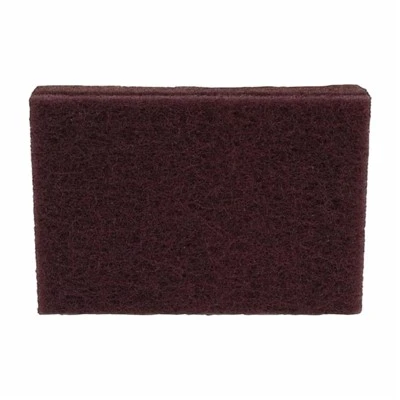
Before we discuss whether abrasive pads can be used for paint removal, it’s important to understand what abrasive pads are and how they work. Abrasive pads are typically made from a combination of abrasive materials, such as aluminum oxide or silicon carbide, bonded to a flexible backing material. The abrasive particles on the surface of the pad are designed to wear away the material they come into contact with through friction.
The grit of an abrasive pad refers to the size of the abrasive particles. A lower grit number indicates larger particles and a more aggressive abrasive action, while a higher grit number means smaller particles and a finer finish. Different grits are suitable for different applications, and choosing the right grit is crucial for achieving the desired results.
The Feasibility of Using Abrasive Pads for Paint Removal
The short answer is yes, abrasive pads can be effectively used for paint removal. There are several reasons why abrasive pads are a popular choice for this task.
1. Versatility
Abrasive pads can be used on a wide range of surfaces, including metal, wood, plastic, and concrete. Whether you’re looking to remove paint from a car body, a wooden door, or a metal railing, there’s an abrasive pad that’s suitable for the job. This versatility makes abrasive pads a valuable tool for both DIY enthusiasts and professional painters and contractors.
2. Control
Compared to some other paint removal methods, such as chemical strippers or sandblasting, abrasive pads offer greater control. You can easily adjust the pressure and the speed at which you’re working, allowing you to remove the paint without damaging the underlying surface. This is particularly important when working on delicate or valuable items.
3. Safety
Chemical paint strippers often contain toxic and hazardous chemicals that can be harmful to your health and the environment. Abrasive pads, on the other hand, are a more environmentally friendly and safer alternative. They don’t release any harmful fumes or pollutants, and they can be used in well – ventilated areas without the need for special safety equipment.
Choosing the Right Abrasive Pad for Paint Removal
When selecting an abrasive pad for paint removal, there are a few factors to consider.
1. Grit Size
As mentioned earlier, the grit size of the abrasive pad will determine how aggressively it removes the paint. For thick layers of paint or tough, stubborn coatings, a lower grit pad (e.g., 40 – 80 grit) is recommended. These pads will quickly remove the majority of the paint. Once the bulk of the paint is gone, you can switch to a higher grit pad (e.g., 120 – 220 grit) to smooth the surface and remove any remaining paint residue.
2. Pad Type
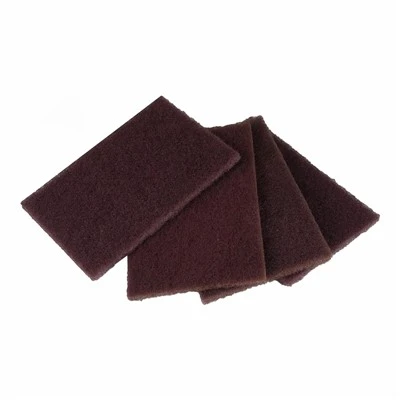
There are different types of abrasive pads available, including foam pads, non – woven pads, and coated abrasive pads. Foam pads are soft and flexible, making them suitable for curved surfaces and delicate areas. Non – woven pads are more durable and can be used for heavy – duty paint removal. Coated abrasive pads have a more uniform coating of abrasive particles and are ideal for achieving a consistent finish.
How to Use Abrasive Pads for Paint Removal
Here are the general steps for using abrasive pads to remove paint:
1. Prepare the Surface
Clean the surface to be painted with a degreaser or mild soap and water to remove any dirt, grease, or debris. This will ensure that the abrasive pad can make good contact with the paint.
2. Select the Right Pad
Choose an abrasive pad with the appropriate grit and type for the job. If you’re unsure, it’s a good idea to test the pad on a small, inconspicuous area first.
3. Apply Pressure
Hold the abrasive pad firmly against the painted surface and apply moderate pressure. Move the pad in a back – and – forth or circular motion, depending on the shape of the surface. Be careful not to apply too much pressure, as this can damage the underlying surface.
4. Remove Debris
As you work, the removed paint will form a debris on the surface. Periodically stop and remove the debris with a brush or vacuum cleaner to prevent it from interfering with the abrasive action of the pad.
5. Change Pads as Needed
If the pad becomes clogged or worn out, replace it with a new one. Continuing to use a worn – out pad will reduce its effectiveness and may result in an uneven finish.
Limitations of Abrasive Pads for Paint Removal
While abrasive pads are a great option for many paint removal projects, they do have some limitations.
1. Time – Consuming
Compared to chemical strippers or power tools, using abrasive pads for paint removal can be a relatively slow process, especially for large areas. If you’re working on a tight schedule, you may need to consider other methods.
2. Physical Effort
Removing paint with abrasive pads requires physical effort, and it can be tiring, especially if you’re working on a large surface. If you have physical limitations or are not comfortable with manual labor, you may want to explore other paint removal options.
Conclusion
In conclusion, abrasive pads can indeed be used for paint removal, offering a versatile, controllable, and safe alternative to other methods. By choosing the right abrasive pad and following the proper techniques, you can achieve excellent results in removing paint from a variety of surfaces.
Scrubbing Pads If you’re interested in purchasing high – quality abrasive pads for your paint removal projects, I encourage you to reach out to me. I’m here to help you select the right product for your specific needs and provide you with the support and advice you need for a successful project.
References
- ASTM International. (Year). Standards related to abrasive materials. ASTM publications.
- Norton Abrasives. (Brochure). Abrasive pads for various applications.
- Machinery’s Handbook. (Editions). Information on abrasive machining and surface finishing.
Guangzhou YION New Material Technology Co., Ltd.
As one of the most professional abrasive pads manufacturers and suppliers in China, we offer a wide range of products with superior quality. Please feel free to buy customized abrasive pads made in China here from our factory. Also, quotation is available.
Address: Room 110, Building 2, No. 2 Jinhuan Street, Nansha District, Guangzhou City, Guangdong Province, China.
E-mail: info@yiontech.cn
WebSite: https://www.yionpads.com/
