Yo, folks! I’m working in an inspection service, and today we’re gonna dig into how we assess the quality of materials. It’s super important, whether you’re in construction, manufacturing, or any industry where materials play a key role. Inspection service
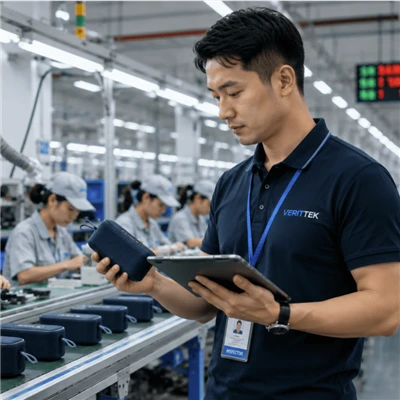
Let’s start with the basics. When we first get the job of checking materials, we gotta understand the requirements. Every project has its own set of rules and standards. For example, if it’s for a building foundation, the concrete needs to meet certain strength and durability criteria. We get these details from the client, blueprints, or relevant industry regulations.
One of the first things we do is a visual inspection. Sounds simple, right? But it’s actually a big deal. We look at the materials up close, checking for any obvious flaws. Like when we’re inspecting steel bars, we look for rust, cracks, or any deformation. A small crack might seem insignificant, but it can weaken the whole structure later on. When it comes to wooden planks, we check for knots, warping, or signs of rot. Visual inspection gives us a quick overview and helps us decide if further testing is needed.
Next, we move on to dimensional checks. Materials need to be the right size and shape. For instance, if we’re dealing with pipes, the diameter, wall thickness, and length have to be within the specified tolerances. We use tools like calipers, micrometers, and rulers to measure these dimensions accurately. If a pipe is even slightly off in diameter, it might not fit properly in the system, causing leaks or other problems down the line.
Now, let’s talk about physical property testing. This is where things get a bit more technical. For metals, we often do hardness testing. We use a hardness tester to measure how resistant the metal is to indentation. Different applications require different levels of hardness. For example, a tool that needs to cut through tough materials should be very hard. We also test the tensile strength of metals. We put a sample in a testing machine and pull it until it breaks. By measuring how much force it takes to break the sample, we can determine its tensile strength.
For non – metallic materials like plastics, we test their flexibility, impact resistance, and heat resistance. We bend plastic samples to see how flexible they are without cracking. To test impact resistance, we drop a weighted object on the plastic to see if it can withstand the impact. And for heat resistance, we expose the plastic to high temperatures and see if it melts, deforms, or loses its properties.
Chemical analysis is another crucial part of our job. We need to know what elements and compounds are in the materials. For metals, we use techniques like spectroscopy to analyze the chemical composition. If the wrong amount of alloying elements is present in steel, it can affect its strength, corrosion resistance, and other properties. For example, too much carbon in steel can make it brittle.
When it comes to concrete, we test the chemical composition of the cement and aggregates. The ratio of water to cement is also very important. If there’s too much water, the concrete will be weak and prone to cracking. We take samples of the fresh concrete and test its slump, which gives us an idea of its workability and water – cement ratio.
We also have to consider the origin and source of the materials. We check if the supplier has a good reputation. A reliable supplier is more likely to provide high – quality materials. We look at the supplier’s quality control processes, certifications, and past performance. If a supplier has a history of delivering sub – standard materials, we’re gonna be extra careful when inspecting their products.
During the inspection process, we keep detailed records. We note down all the measurements, test results, and any observations. This documentation is important for several reasons. It helps us keep track of the inspection, provides evidence of the quality of the materials, and can be used for future reference. If there are any disputes later on, our records can serve as proof.
Now, I know some of you might be thinking, "Why should I hire an inspection service? Can’t I just trust the supplier?" Well, here’s the thing. Suppliers might have their own quality control, but they might also have a bias towards getting the order approved. As an independent inspection service, we have no stake in the outcome other than ensuring the quality of the materials. We’re objective and our only goal is to protect your interests.
If you’re involved in a project that requires high – quality materials, don’t take any chances. An inspection service can save you a lot of money and headaches in the long run. Catching a problem early on is much cheaper than dealing with the consequences later, like a building collapse or a faulty product.

So, if you’re looking for someone to assess the quality of your materials, don’t hesitate to reach out and start a chat. We’re here to help you make sure that every single piece of material you use is up to par. Whether it’s a small DIY project or a large – scale industrial development, we’ve got the expertise and tools to do a thorough inspection.
Quality System Audit References:
- ASTM International Standards for Material Testing
- ISO Quality Management Standards
- Industry – specific handbooks and guidelines on material quality assessment
Verittek Standards Co., Ltd.
As a professional product quality service provider in China, we help clients improve overall product quality and stability by providing third-party inspection services. If you have any enquiry about cooperation, please feel free to email us.
Address: Room 1002, Building 1, Tian’an Industrial Building, Panyu Energy Saving Technology Park, No.555 North Panyu Avenue, Donghuan Street, Panyu District, Guangzhou City, China.
E-mail: sales@verittek.com
WebSite: https://www.verittek.com/
